What should be the budget for interior design?

Congratulations on buying a home with your hard-earned money that may have cost you lakhs or even crores. You have been eagerly waiting for the possession date and are excited to move into your new home soon after possession. You and your family members are doing research on all kinds of interior design styles and have come across thousands of images on Instagram or Pinterest. However, you have no idea about the right pricing, nor do you know the quality and affordability of those images.

Those images create a strong desire to own something attractive, and you must. But whether you have a budget constraint or not, you would still wonder about the biggest question at this stage: What should be the budget for interior design?

It involves several steps to allow you to develop a clear idea of how much you can spend and what expenses you can afford. The below steps will give you some insights:

  1. Determine what you need, what you want, and what you desire. Most importantly, understand the differentiation before you determine the scope of your project.
  2. Use a top-down approach to determine how much you can afford to spend and how much you are willing to spend before you decide how much money to allocate.
  3. The most important step is to divide the budget into different categories like modular furniture, loose furniture like beds or dining tables, lighting and electrical modifications, false ceiling, wooden flooring, masonry changes, soft furnishing like curtains, wall décor/painting wallpapers, etc. This would help you avoid overspending at the finishing stages of execution.
  4. Prioritize using what you ‘need,’ ‘want,’ or ‘desire.’ That will help you allocate appropriately. Also, it will help you make the right decision during the project execution due to clarity.
  5. Allow flexibility: Design is not mathematics. Desires are also not science. So it is good to keep aside some funds to adjust your budget if unexpected expenses arise. In most interior design projects, the cost escalation due to our changing desires could have an impact of around 10-15%.

Once you are familiar with the overall approach, understand what is the trend in the market. In India, the interior design costing approach varies between regions. The prices are influenced by:

  1. Location of the property – The cost of both material and labor influences the budget.
  2. The size of the property – Quite obviously, the cost for a 2 BHK would vary from a 3 BHK.
  3. The type of property – Villas compared to apartments would need more customization and have more space, thus influencing the budget.
  4. Material Used –
  5. The level of customization desired for the interior work.

As a simple thumb rule, however, based on carpet area, for quality work for basic to mid-range interior design, clients can allocate a budget of Rs 1500 to Rs 2500 per square foot. For high-end or luxury projects, the costs can go upward of Rs 3000/sq feet. Clients also need to put in some contingency funds as shared earlier. However, it is important to keep in mind that these figures can significantly vary lower or higher depending on the detailing and client requirements.

Another useful approach in deciding on a budget would be to keep a certain % of property value as your budget for interiors. If you wish to use this approach, you may want to look at the range of 10% to 25% of your property value (depending on your affordability as well).

As they say, however, the devil is in the details. So take the figures with a pinch of salt as the budget could vary based on the design styles you choose and the design elements you include. As an example, if the property is ‘New’ and requires ‘Minimal Modification,’ a minimalistic design style would need a budget at the lower end of the range. Alternatively, if you are looking for a design style that needs a lot of customization besides various elements of lighting and functionality or purposes, then you could end up at the higher end of the spectrum.

Consulting an experienced designer who has seen market shifts for a sufficient period would be a good idea to take Design consultancy.

There is also another interesting tip that you might find handy if your requirements and budget don’t fit in well (with requirements exceeding the present budget). In that case, the project can be phased out in two stages to manage expenses instead of overall compromising to fit the budget and requirements. As an example, if you have a 4 BHK villa, but your budget at present may not meet all your requirements, you may like to keep a bedroom interior (woodwork only) for later.

It is also important to keep revisiting your original assumptions on needs, wants, and desires as the images on the internet would continue to distract you.

Finally, guidance from a professional designer whom you can trust is the best approach.

Modern Interior Design Bangalore
Zen-style-living-room- interior designer in bangalore

The power of space

Throughout the past couple of years, all humans had to spend lots of time in their homes because of the pandemic. We noticed and experienced

Read More »

Designing a Mandir

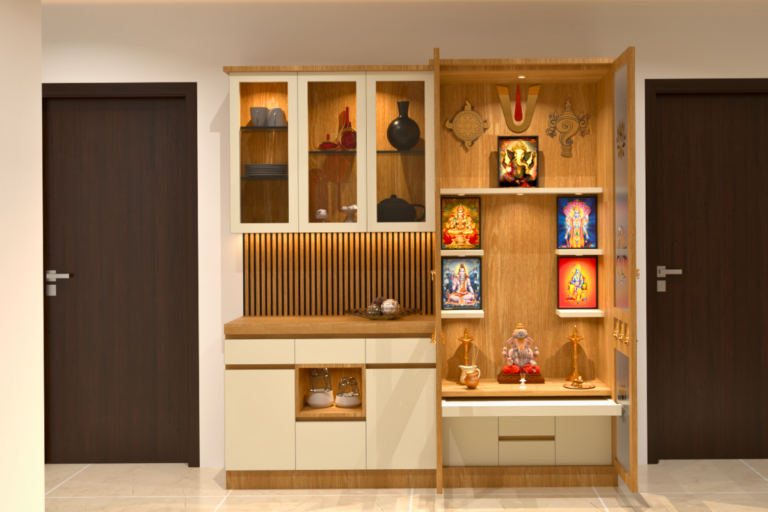
Each small and big home finds creative ways to place an idol, decorate and worship, which symbolises joy, enthusiasm, and positivity. Decorating a home during

Read More »

Long Narrow Passage

Many apartments are designed with a long narrow passage leading off from the living area into the bedrooms. The passage helps separate the bedrooms from

Read More »

How to choose interior design style for your home?

Cultivating your design style is a gradual process. However, it’s worth taking the time to develop a design taste or to explore various creative ideas before you start spending money on designing your dream home.

Learning to choose a design style for your home makes the home designing experience more fulfilling and successful.
When it comes to your design style, many homeowners feel like that, they have lots of ideas but don’t know what to choose or focus on for themselves.

In my view, homes should reflect who you are at the deepest level. So, the first step to knowing your favorite design style is getting in touch with your true self. Trust your intuition rather than just following the crowd or certain fashion of society. Discover what you love so you will not get overwhelmed by all the choices out there on Pinterest or design magazines.

Choosing a design style that matches your personality allows you to have confidence and a fulfilling home designing experience. In short, find what makes you feel happy and go with it! so you can create a home that looks beautiful, feels authentic, and reflects your unique personality.

Below are a few tips to help you find your design s
  • Step 1: Think about the experience or feeling first.
  • Step 2: Modern, Traditional, or Fusion?
  • Step 3: Take an inventory of your existing Purchase
  • Step 4- Create a Mood board or visual reminders

tyle.

Step 1: Think about the experience or feeling first.
Trying to design your home for a particular aesthetic or look is worthless if you are not clear about the feeling or experience that you would want to have at your home. It is like trying to make an Ice cream without knowing what the flavor is supposed to be.

In design, the two things – Experience and aesthetics go hand in hand.
Some popular experiences that come up when people talk about how they want to feel in their home are:
∙ Cheerful
∙ Cosy
∙ relaxing
∙ restful
∙ peaceful
∙ Authentic
∙ Simple
∙ inviting
∙ elegant
∙ Trendy

Choose the experience and that experience can become an inspiration for home design.

This could mean remembering the way you felt in a beautiful place you visited in the past. It could be a luxurious hotel you stayed in or a last simple homestay which you found very relaxing. Or it could be even just a nice restaurant or garden which gives you a very cheerful and refreshing experience. There is no wrong answer in design.

We just need to understand what that thing or object was, and which contributed to delivering that particular experience.

Step 2: Modern, Traditional, or Fusion?
Finding your interior design style can get overwhelming when we explore many different design styles and various design phrases.
To keep things simple, start with two main and broad interior design style categories: Modern and traditional. Everything else just trickles down from there.

A few details to note here are as below-
Modern Or Contemporary design style is often characterized by clean lines, clean surfaces, and sleek furniture. It can have a minimalistic feel to it.

On a broader level, the styles that fall under modern or contemporary would-be styles like minimalistic, zen, mid-century modern, Scandinavian design, Industrial design, or Eclectic design styles

The traditional design style is often characterized by ornate details, rich textures, and heavier furniture. It uses Ornated moldings, elaborate trims, and rich architectural details.

The styles that fall under tradition could be styles like Indian ethnic, Colonial, Victorian, Neoclassical, Art Deco, or Mediterranean design styles.

Sometimes people find both design styles equally stunning. Some design elements from both worlds they want to experience at their home. This is fine and normal as well. However, it’s good to know what direction you lean in Primarily. This is where We can decide the proportion of mixing two styles and create a fusion style of design.


Fusion Design Style is often characterized by the mixing of characteristics and objects from two different styles in different proportions. The right mix of two or more design aesthetics can create a wonderfully unique and individual look.
The styles that fall under fusion could be styles like design style- japandi (Japanese + Scandinavian = Japandi), modern rustic, Urban Modern, modern farmhouse, Or Bohemian.
Many times, the best designs are those that are a combination of more than one style. A combination of 80% of one style and 20% of the other, really works well.

Step 3: Take an inventory of your existing Purchase
The Simple trick to knowing what you like is to take a good look at your favorite purchase around you.
It includes clothing items, Fashion accessories, home décor items, and many more.
Pay attention to the colors and textures of things. Are they mostly purchased neutral or colorful things? What’s the percentage of modern clothes vs traditional clothes? That might give you an idea about the color pallet, style, and mood you would love for your home. Are your favorite clothes made with lots of bold patterns or interesting textures? If so, go for a similar look when choosing textiles for your home.

Step 4- Create a Mood board or visual reminders
Bring all your favorite items together in one place by using digital techniques like photoshop or just create a handmade mood board of things that is your favorite purchase.
Arrangement and visualization of favorite objects tell a story about who you are and how you want your home to look and feel.
You can create Visual reminders by exploring inspiring spaces on Instagram or Pinterest and save what you love to a board or folder. By doing so, you might spot a trend, color scheme, or

 overall theme that resonates with you.


Conclusion:
Remember, when it comes to Picking up the right design style for your home, there’s no right or wrong choice. So, keep experimenting until you land on a look that feels right for you.
Choose things that feel good to you, look beautiful to you, and make you feel the way You want to feel.
Finally, your home is where your precious story begins!

Explore All Interior Themes

Consult Us For Design Consultation

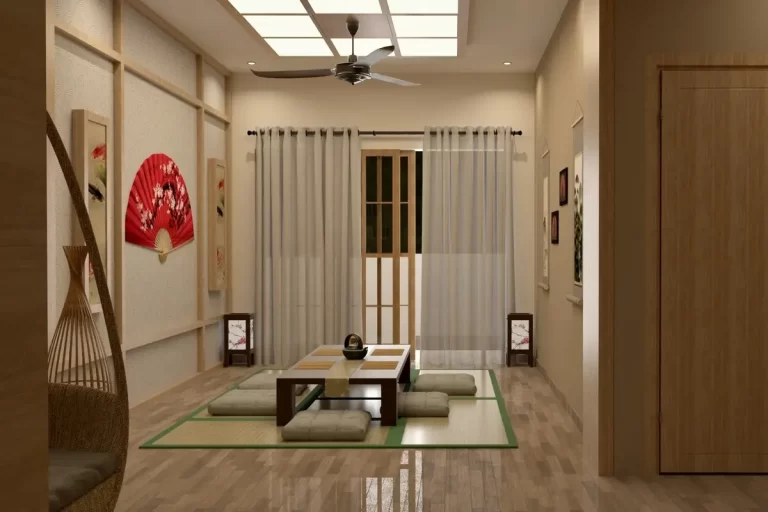
Zen Interior Design


Transitioning from one old year to a new year always means establishing a new era of interior design.

While 2019 focused more on multifunctional furniture pieces, our 2020 began with a few homeowners looking for different design styles and ideas to live with the unique experience of their choice.

One of them approached us with a wish of creating a haven of calm and relaxation within their home — where they can unwind and enjoy a few moments of serenity. Mindfulness has become a lifestyle choice and there was nothing more apt choice than a modern Zen style of interiors!

In urban homes bringing Zen feeling is a bit challenging. Many Zen articles talk about accessorising home with trickling water features, bamboo shoots, and sand gardens. However zen interiors can be much more than that.

The zen word refers to meditation and this design style focuses on creating simplicity through a minimalist approach.

Simple guidelines to bring zen feelings are-

Use of clean and straight lines

Creating hidden or built-in storage

Using subtle patterns and textures

Usage of Neutral and Earthy tones

Keeping the lighting soft

The best pallet for Zen interiors is a neutral and natural pallet. Making use of a cane, Wood, jute, w cotton, linen, and wool brings warmth and creates relaxing vibes.

The use of single-colour rugs and cushions make it simple and inviting.

Larger windows, lighter drapes, sheer curtains, low height furniture emphasising straight lines are the simplest way to bring Zen feeling.

Use of floor lamps, scented candles, corner lights, table lamps, and indirect lights are recommended to bring soothing effects.

Zen is not only a design style but a philosophy to incorporate in life!


Book Design Discovery Call